
The Beauty of Human Decompositon in Japanese Watercolor
March 27, 2017
is a guest blogger for Atlas Obscura, Defrosting Cold Cases, and Forensic Magazine. He features articles on significant forensic anthropology cases and archaeological excavations, morbid history, gruesome burial traditions, skeletal collections and charnel houses, macabre art work, and human remains in the news.
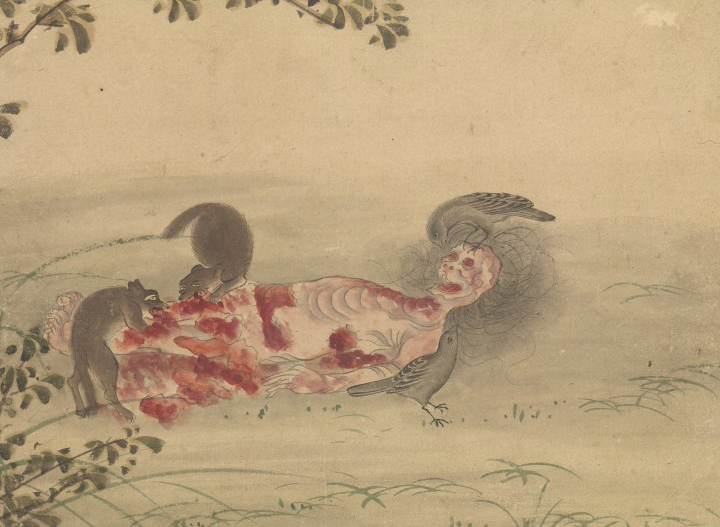
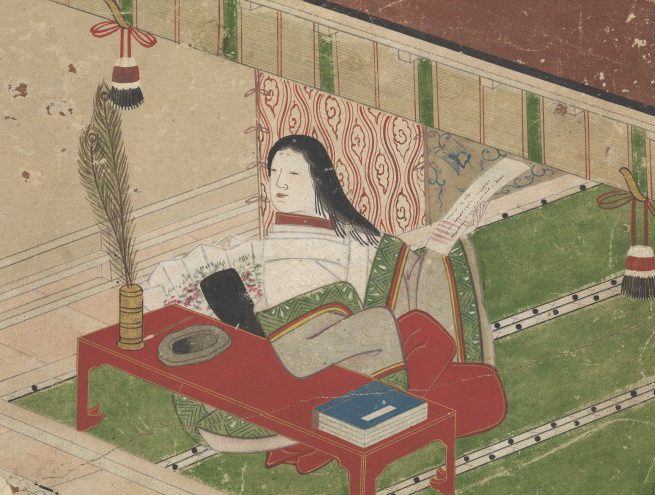
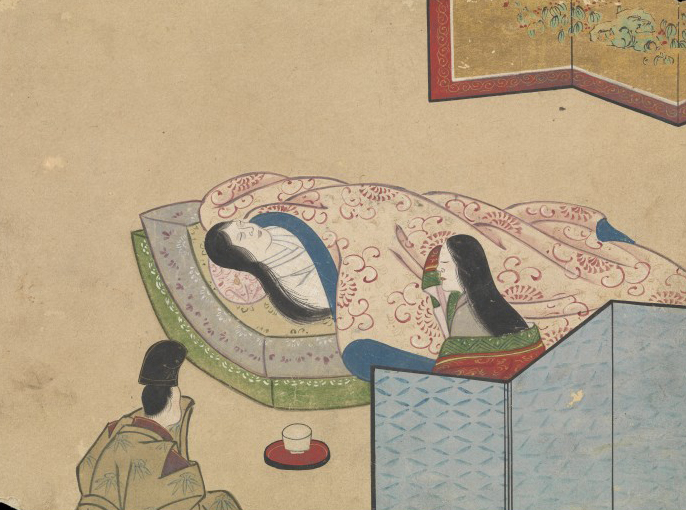
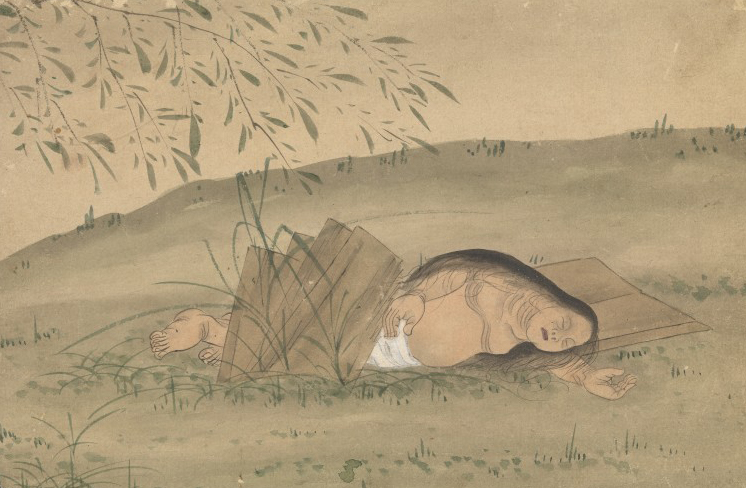
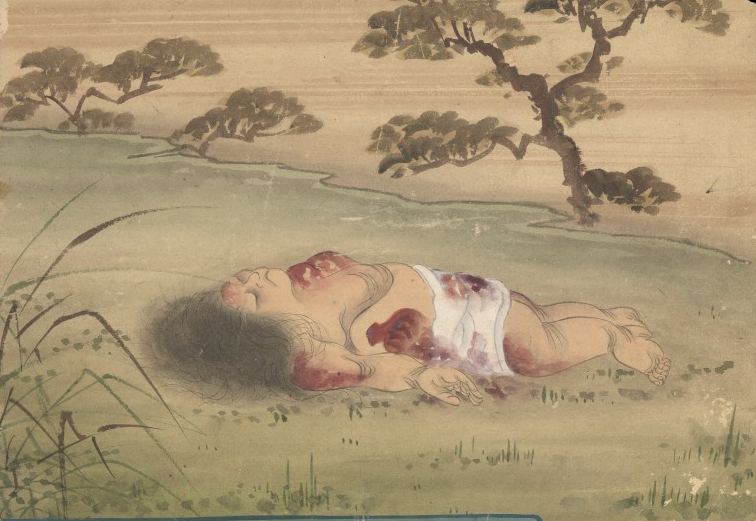
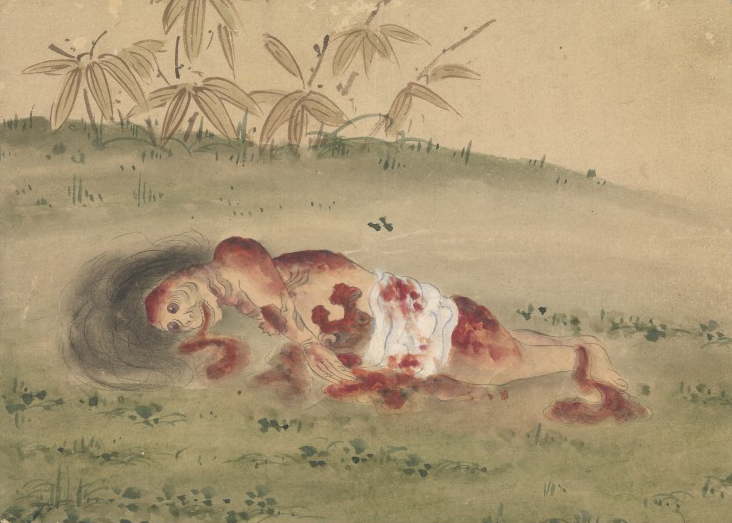
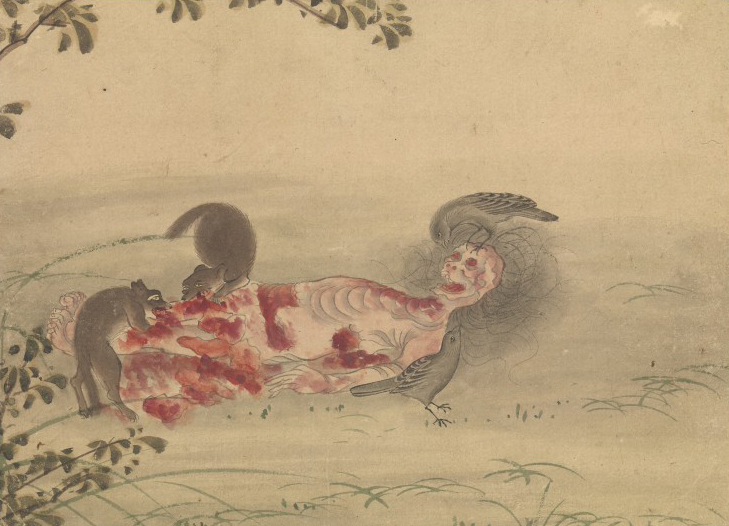
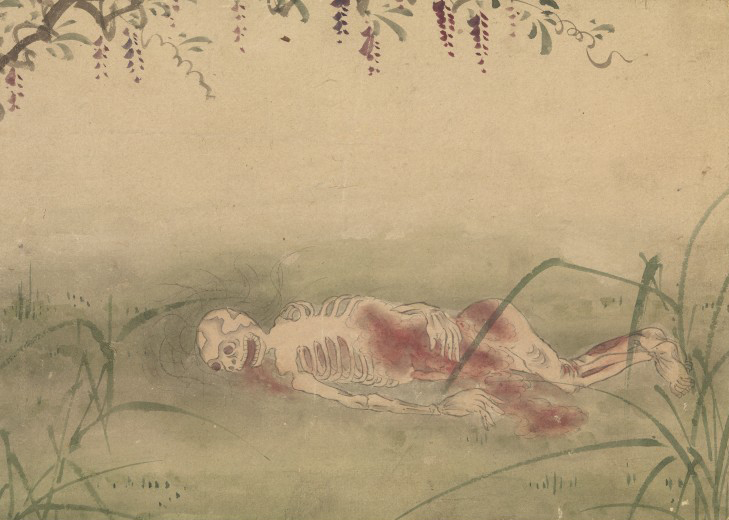
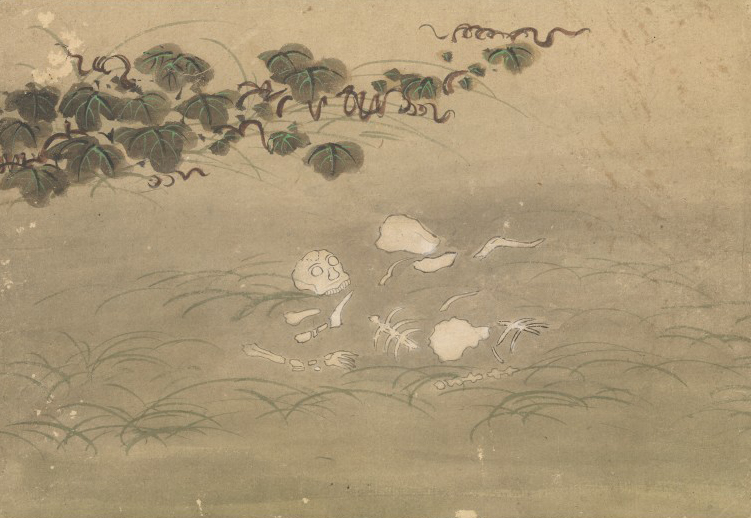
I think I might be obsessed with kusozu, Japanese watercolor paintings that graphically depict human decomposition, which were popular between the 13th and 19th centuries; Body of a Courtesan in Nine Stages is another series in this genre featured previously on this site. Kusozu works of art were inspired by Buddhist beliefs and these paintings were meant to encourage people to ponder the temporary nature of the physical world. Kusozu watercolors also happen to be fantastic early studies of human decay and taphonomy, which is why one series, titled Kusozu: the death of a noble lady and the decay of her body, is currently on display as part of the Forensics: The Anatomy of Crime exhibit in London.
According to the Wellcome Collection, Kusozu: the death of a noble lady and the decay of her body was painted some time in the 18th century. The below scenes include: (1) the woman’s impending death and her preparation for it; the noble woman has just passed away and her loved ones are seated around her; (3) slight skin discoloration (maybe some liver mortis) and a bit of bloating of during early decomposition; (4) the onset of putrefaction with bloating and marbling; (5) advanced decomposition as seen by pervasive marbling, leakage of purge fluid from the mouth, and the abdominal cavity has burst open (6) caving of abdominal cavity and scavenging animals; (7) start of skeletonization and the disappearance of soft tissue; (8) complete skeletonization and scattering of remains; (9) finally human remains have been completely scattered or consumed by unseen animals so all that remains is a memorial for the deceased woman.

Body
Ana Mendieta
(1948–1985)
It’s commonplace to note when exhibitions offer a timely opportunity to reconsider an artist’s work, but in Ana Mendieta’s case such observations are as disturbing as they are apt.
Read more...
Soul
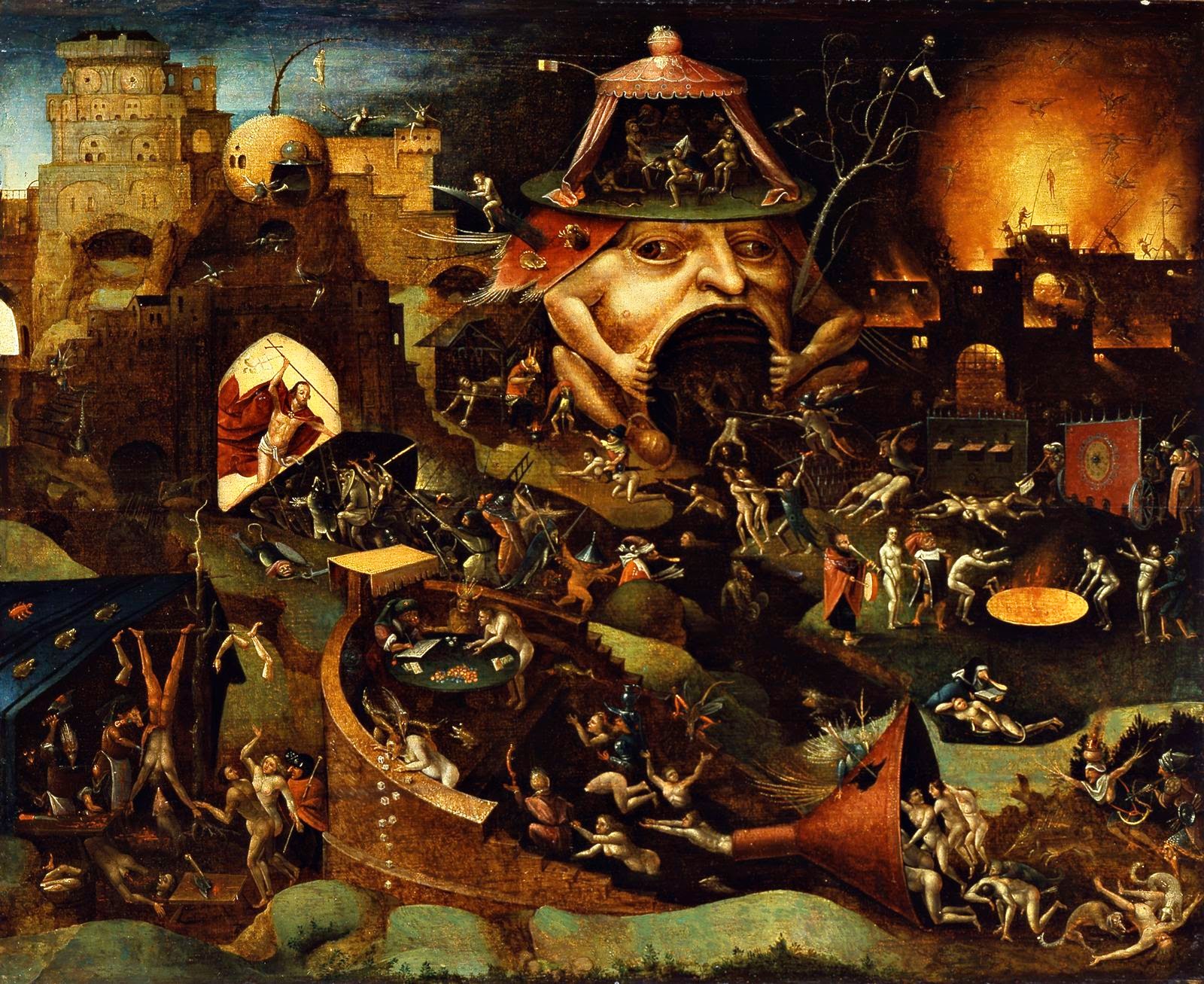
Hiëronymus Bosch
Hiëronymus Bosch, also spelled Jheronimus Bos, pseudonym of Jeroen van Aeken, Aeken also spelled Aquen or Aken...
Read more...
State
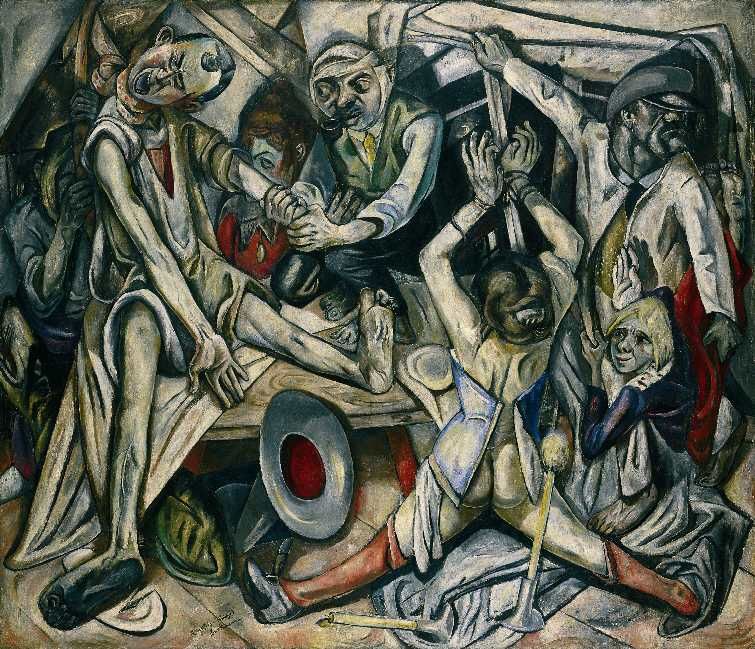
New Objectivity Artists Exposed the Decadence and Hypocrisy of German Society
Many German artists entered World War I enthusiastically, believing it would bring about positive social change...
Read more...
State
Art in Review;
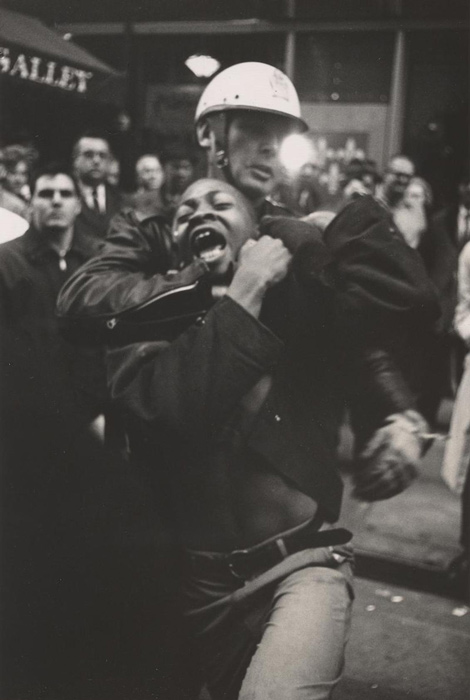
Danny Lyon
Biking looms large in the photographs of Danny Lyon a photo-documentarian, writer and filmmaker whose close-up-and personal shots of his fellow…
Read more...